
ArticlesPeople & Planet
Is AI Destroying the Environment?
What's true, what's exaggerated, and should we be worried?
Listen to this article
Voice
Uses your device's built-in voice
Bolds the start of each word to guide your eyes.
We keep hearing how bad AI is for the environment. How much electricity it uses, how much water it consumes, and how these enormous data centres are being built everywhere.
I use AI all the time, and I care about the environment too. So I started looking into it. How serious is this, really? And is there anything we can do about it?
The first thing I wanted to understand was the water. Apparently, AI uses enormous amounts of it. But isn’t there enough water on Earth? It doesn’t just disappear, does it?
But isn’t there plenty of water on Earth?
We’re living on a planet covered in water. It evaporates, forms clouds, falls as rain and keeps going through its natural cycle. So why does it matter if AI uses some of it?
Well, it turns out there’s quite a difference between having water on Earth and having freshwater available where we need it.
According to the U.S. Geological Survey, only about 2.5% of Earth’s water is freshwater. Most of that is frozen in glaciers and ice caps or stored underground. The amount available in rivers and lakes is surprisingly small.
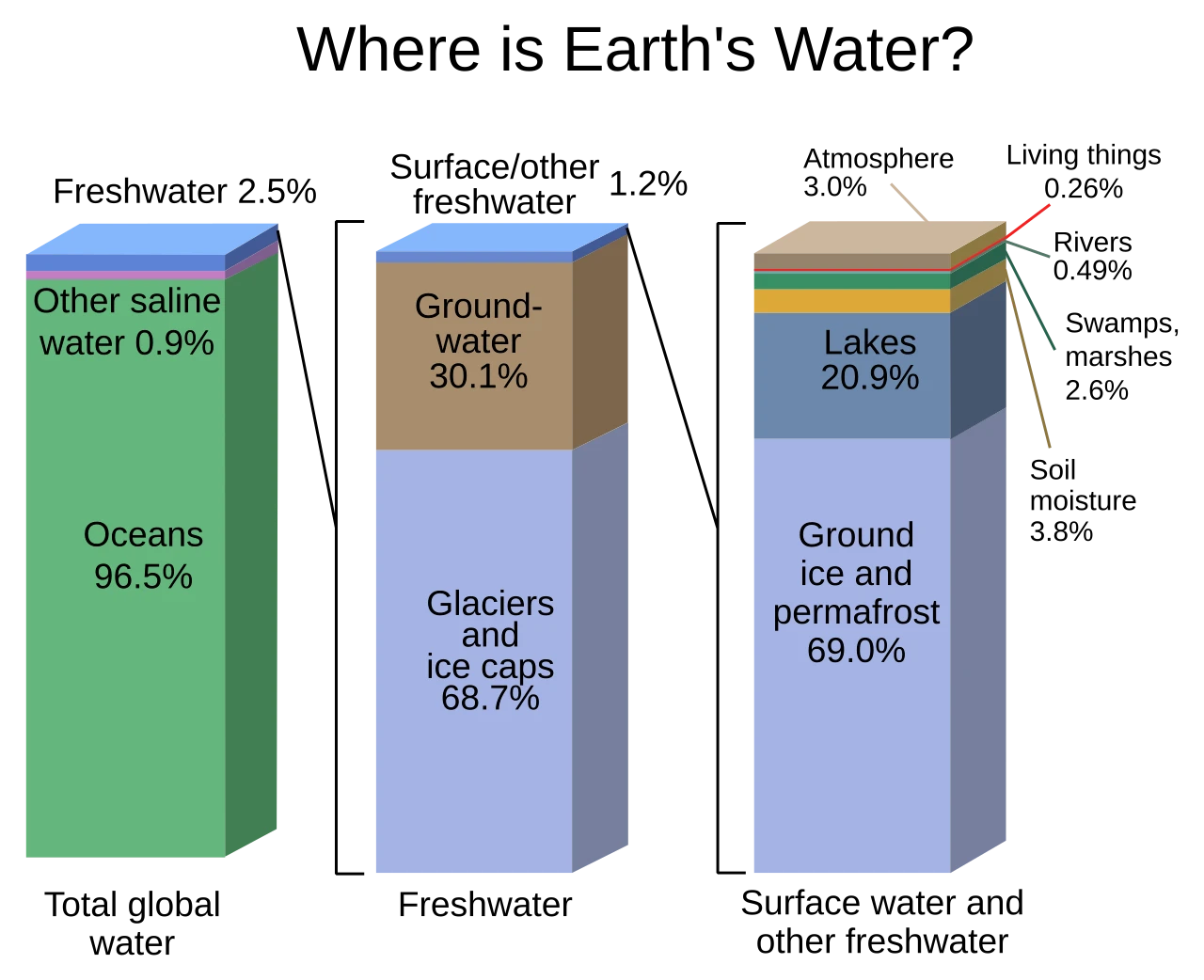
And when we talk about water consumption, we’re not necessarily talking about water disappearing forever.
Imagine a data centre that uses water to cool thousands of computers. Some of that water evaporates, which means it’s no longer available in the local water supply. Eventually, it will return through the natural water cycle, but not necessarily in the same place or when it’s needed.
If that data centre is in an area where water is already scarce, the extra demand could become a real problem for nearby communities, farms and ecosystems.
So the issue isn’t that we’re running out of water on Earth. It’s that we don’t always have enough usable freshwater in the places that need it.
That helped me understand something important. Where a data centre is built can matter just as much as how much water it uses.
But why does AI need water in the first place?
AI runs on computers housed in data centres, and those computers generate heat. Some facilities use water to cool them. Others use different cooling systems, including methods that use little or no water.
There’s also water involved in producing electricity and manufacturing computer chips. So when we talk about AI’s water consumption, we’re looking at much more than the water going into a cooling system.
Where did the bottle-of-water story come from?
You’ve probably heard that asking ChatGPT a question uses a bottle of water. It’s been repeated so often that I wanted to know where that number came from.
In 2023, researchers published a study called Making AI Less “Thirsty”. They were investigating the water needed to run large AI models, including water associated with cooling and electricity generation.
Their research, updated in 2025, estimated that GPT-3 could consume approximately 500 millilitres of water for 10 to 50 medium-length responses, depending on where and when it was running.
So it wasn’t necessarily a whole bottle of water every time someone asked a question.
Then, in August 2025, Google published its own research into the environmental impact of Gemini.
According to Google’s estimates, a typical Gemini text prompt, specifically the median prompt it measured, consumed approximately 0.26 millilitres of water at its data centres.
That’s about five drops.
Now that’s quite a difference from a bottle of water.
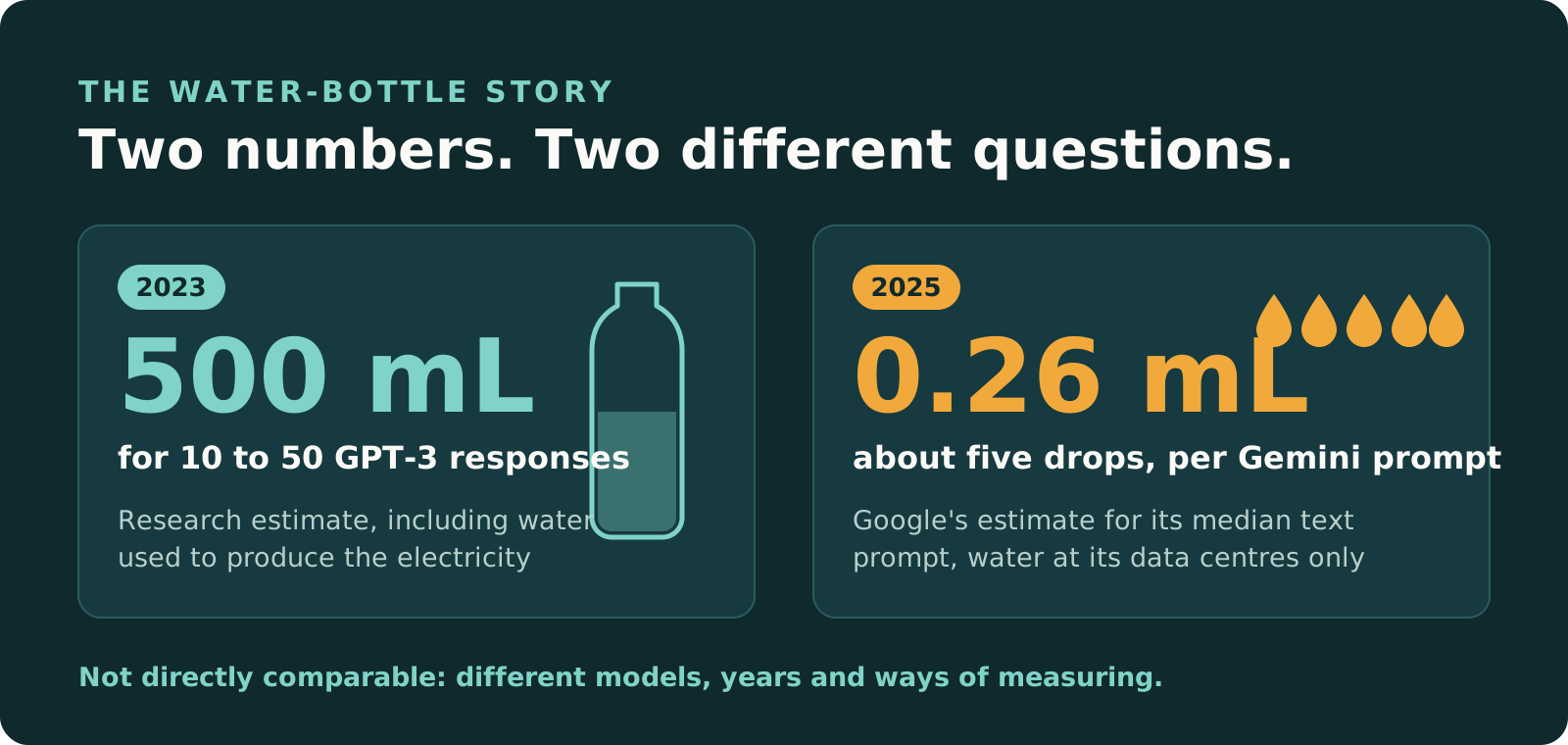
But the two studies weren’t measuring exactly the same things. Google’s estimate covers water consumption at its data centres, while the earlier research also included water associated with electricity generation. They were also looking at different AI models under different conditions.
Google’s figures were company estimates, not independent measurements of AI use across the industry.
The type of request matters too. Asking a simple question isn’t the same as generating a video or asking AI to work through a complicated problem.
So there isn’t one water figure that applies to every AI question.
I think this is a good example of how a number can get repeated until it starts to sound like a universal fact, even though the original research was much more specific.
And while it’s useful to understand what one AI request consumes, I started wondering whether we were concentrating on the wrong thing.
What about all these enormous data centres?
Even if individual AI requests become more efficient, we’re using AI more often and for more things. That means more computing power, more electricity and more data centres.
According to the International Energy Agency (IEA), data centres worldwide used approximately 485 terawatt-hours of electricity in 2025. In its April 2026 report, the agency estimated that this could increase to around 950 terawatt-hours by 2030.
Almost double in five years.
Those figures include all data centres, not just AI. They also support websites, streaming, cloud storage and other services we use every day. But AI is an important reason demand is growing so quickly.
And there’s another concern. All that extra electricity needs to come from somewhere. Even with more renewable energy being developed, some of the growing demand is still being met by natural gas and coal. So the environmental impact depends not just on how much electricity a data centre uses, but where that electricity comes from.
Something else caught my attention when I looked into the water figures.
In its 2025 Energy and AI report, the IEA estimated that data centres worldwide consumed around 560 billion litres of water per year.
But the breakdown was quite different from what I expected.
According to the IEA’s analysis of 2023 consumption, about two-thirds of that water use was associated with producing energy and electricity. Around one-quarter was used for cooling the data centres themselves, and the rest was associated with manufacturing chips and other components.
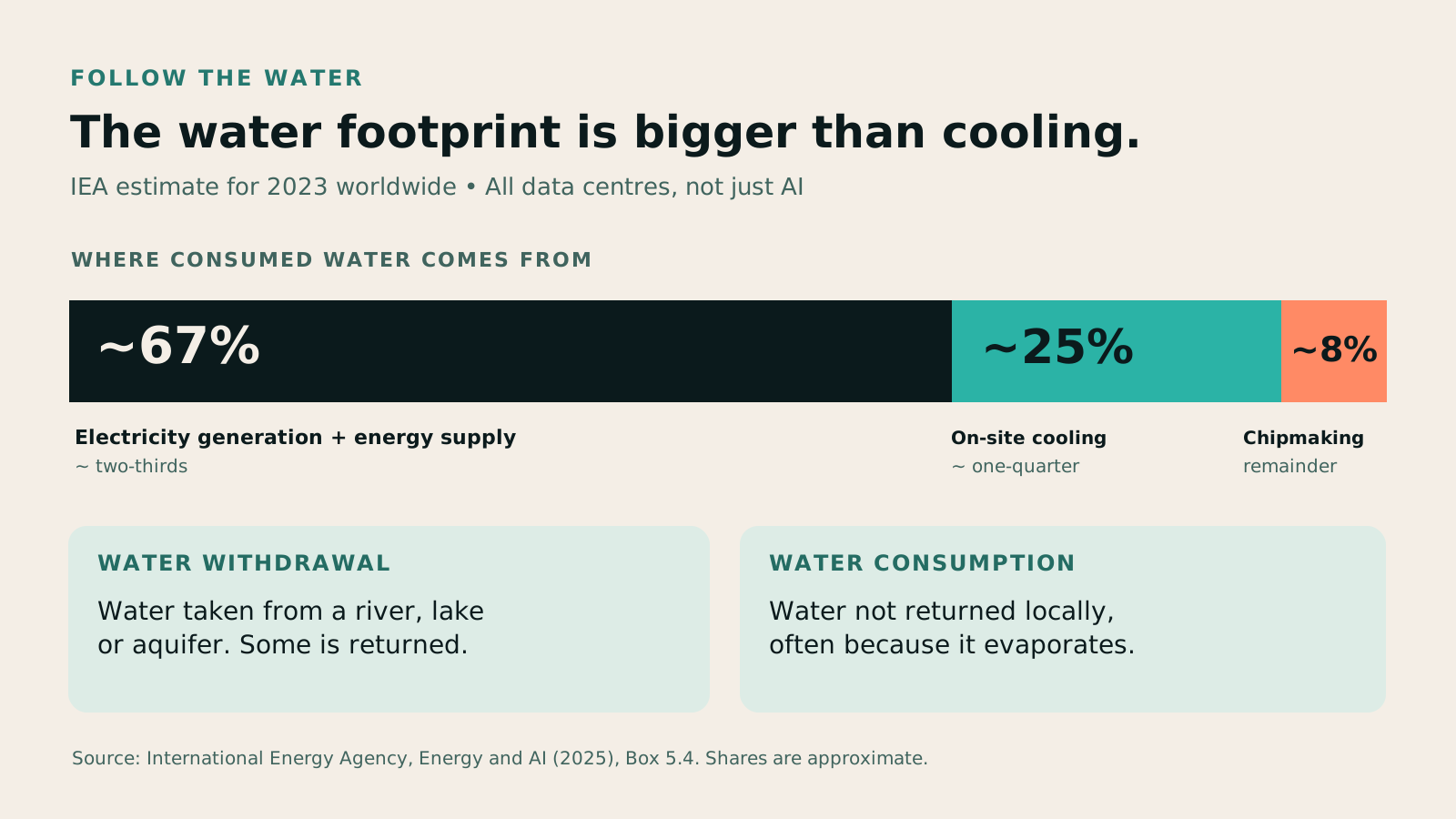
So most of the estimated water consumption wasn’t actually happening inside the data centres.
That changes how we need to look at the problem. A data centre’s environmental impact depends on where its electricity comes from, how its equipment is manufactured, how it’s cooled and where it’s located.
There’s also the equipment itself. These data centres need powerful chips, servers and other components, all of which require raw materials and energy to manufacture. And technology moves so quickly that equipment can be replaced long before it stops working. What happens to all those old components? That’s another environmental cost we need to consider.
And there are places where this is already affecting real communities.
A small city in Oregon
Take The Dalles, a city in Oregon where Google operates several data centres.
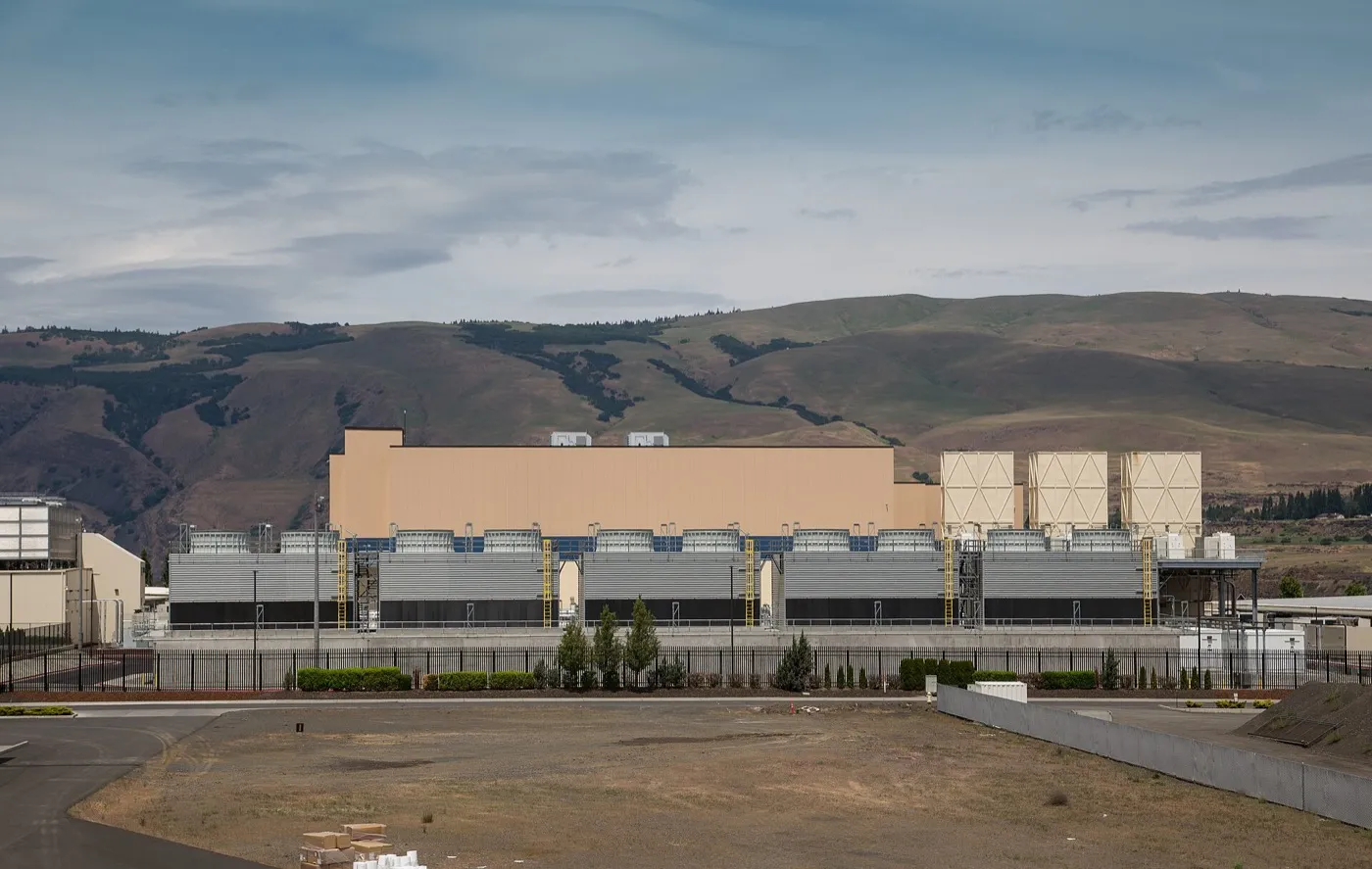
In January 2026, Oregon Public Broadcasting reported that Google’s facilities accounted for approximately one-third of the city’s water consumption in 2024.
The city has been looking at expanding its reservoir, which has raised concerns among environmental groups about the possible effects on a river system that’s important for threatened fish.
City officials say the expansion is needed to support a growing population, not simply because of Google’s data centres. They’ve disputed parts of the reporting, although Oregon Public Broadcasting stands by its findings.
There are different interests involved, and Google’s facilities support many online services beyond AI.
But the situation helps explain why the water question matters.
For people living there, it’s not really about whether one ChatGPT question uses five drops or a bottle of water. It’s about how their local water supply is being used, who needs it and what happens as demand keeps growing.
That’s the kind of information I’d like to see technology companies being much more transparent about.
What if AI could help us solve some of these problems?
There’s another part of this story that I don’t want us to overlook.
We’ve already done a lot of damage to our environment, long before AI became part of our everyday lives. Climate change, pollution, habitat loss and the way we use natural resources are problems we’ve been trying to address for decades.
And we have an enormous amount of information about our planet. Scientists have spent years studying our oceans, forests, climate and ecosystems. But understanding all that information and finding connections can be difficult.
This is where I think AI could make a real difference.
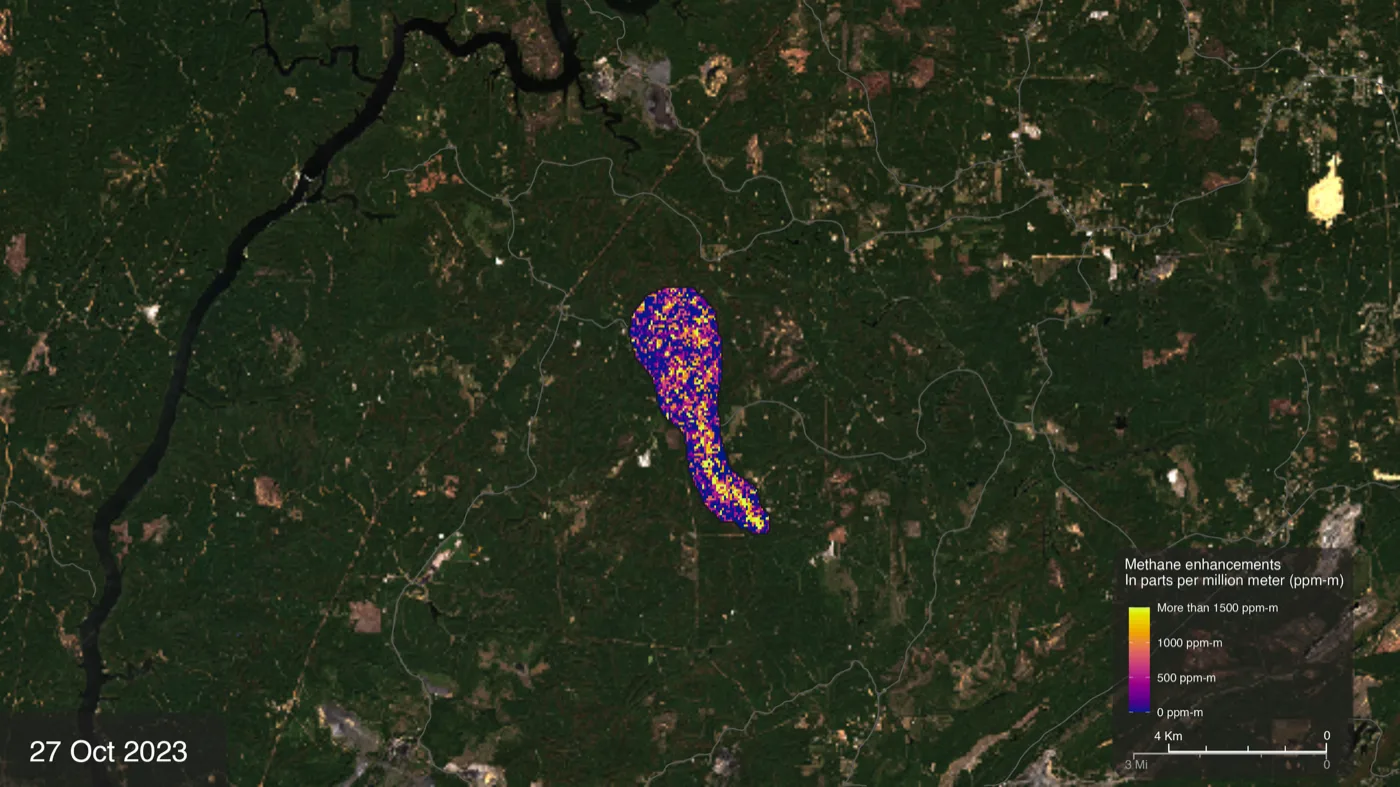
For example, AI can help scientists identify methane leaks using satellite data. Methane is a powerful greenhouse gas, so detecting leaks sooner can help people repair them sooner.
AI is also being used to improve energy efficiency in buildings, forecast renewable electricity production and help manage power grids.
In its 2025 report, the IEA explored what could happen if existing AI applications were used much more widely. Under that scenario, they could potentially reduce energy-related carbon dioxide emissions by around 1.4 billion tonnes in 2035.
That’s a possibility, not a prediction. The IEA also makes it clear that there’s no guarantee these applications will be adopted widely enough to achieve those reductions.
Of course, we can’t simply assume that AI will eventually make up for the resources it consumes. Those environmental benefits need to be demonstrated. But I think that’s all the more reason to invest in applications that can genuinely help us solve problems, while being responsible about the resources they need.
But those are applications we already know about.
What about the things we haven’t discovered yet?
Could AI help researchers develop better batteries or new materials? Could it help us understand changes in ecosystems more quickly? Imagine being able to connect years of environmental research in ways that weren’t possible before.
I’ve worked with ocean scientists and spent time in the Amazon, so the possibilities for environmental research are particularly interesting to me.
Of course, finding an answer is only part of the work. We still need scientists, governments, businesses and communities to make decisions and put those solutions into practice.
But I think AI could become an important part of that process.
So, should we be worried?
After going through the research, I think the environmental concerns are real, but there’s much more to the story than the headlines suggest.
We need to understand how much electricity and water these data centres use, where they’re being built and what companies are doing to reduce their impact.
And we need better information, because a single number about water consumption doesn’t tell us very much without the context behind it.
I don’t think we need to choose between caring about the environment and being enthusiastic about AI. I care about both.
We’ve already done so much damage to our planet, and we’re still trying to find solutions to problems we’ve created over decades. That’s one of the reasons I’m so interested in AI. Imagine what we might discover when researchers can work with all this information in ways that weren’t possible before.
Of course, AI itself comes with environmental costs, and we need to be responsible about those too. But I believe it could help us find better solutions, especially when we combine what the technology can do with human knowledge, creativity and good decisions.
That’s the possibility I don’t want us to overlook.
Was this useful?
Sources and further reading
- U.S. Geological Survey: Freshwater (Lakes and Rivers) and the Water Cycle (opens in a new tab) · Explains how Earth's water is distributed and why so little is readily available as freshwater.
- Li, Yang, Islam and Ren: Making AI Less "Thirsty" (2023, revised 2025) (opens in a new tab) · The original research behind the bottle-of-water claim, including the estimates for GPT-3.
- Google: Measuring the Environmental Impact of AI Inference (August 2025) (opens in a new tab) · Google's estimates for electricity and water used by median Gemini text prompts, including the limitations of its measurements.
- International Energy Agency: Energy and AI (April 2025) (opens in a new tab) · Research on data-centre water consumption and how AI could potentially help reduce emissions.
- International Energy Agency: Key Questions on Energy and AI (April 2026) (opens in a new tab) · Updated figures and projections for global data-centre electricity use.
- Oregon Public Broadcasting: As Google's Water Demands Grow, The Dalles Aims to Pull More From Mount Hood Forest (January 2026) (opens in a new tab) · An investigation into Google's water consumption and plans to expand the city's reservoir.
- Oregon Public Broadcasting: The Dalles' Mayor Called OPB's Data Center Story Inaccurate. Here Are the Facts (January 2026) (opens in a new tab) · The publication's response to the city's objections, including corrections and additional context.